
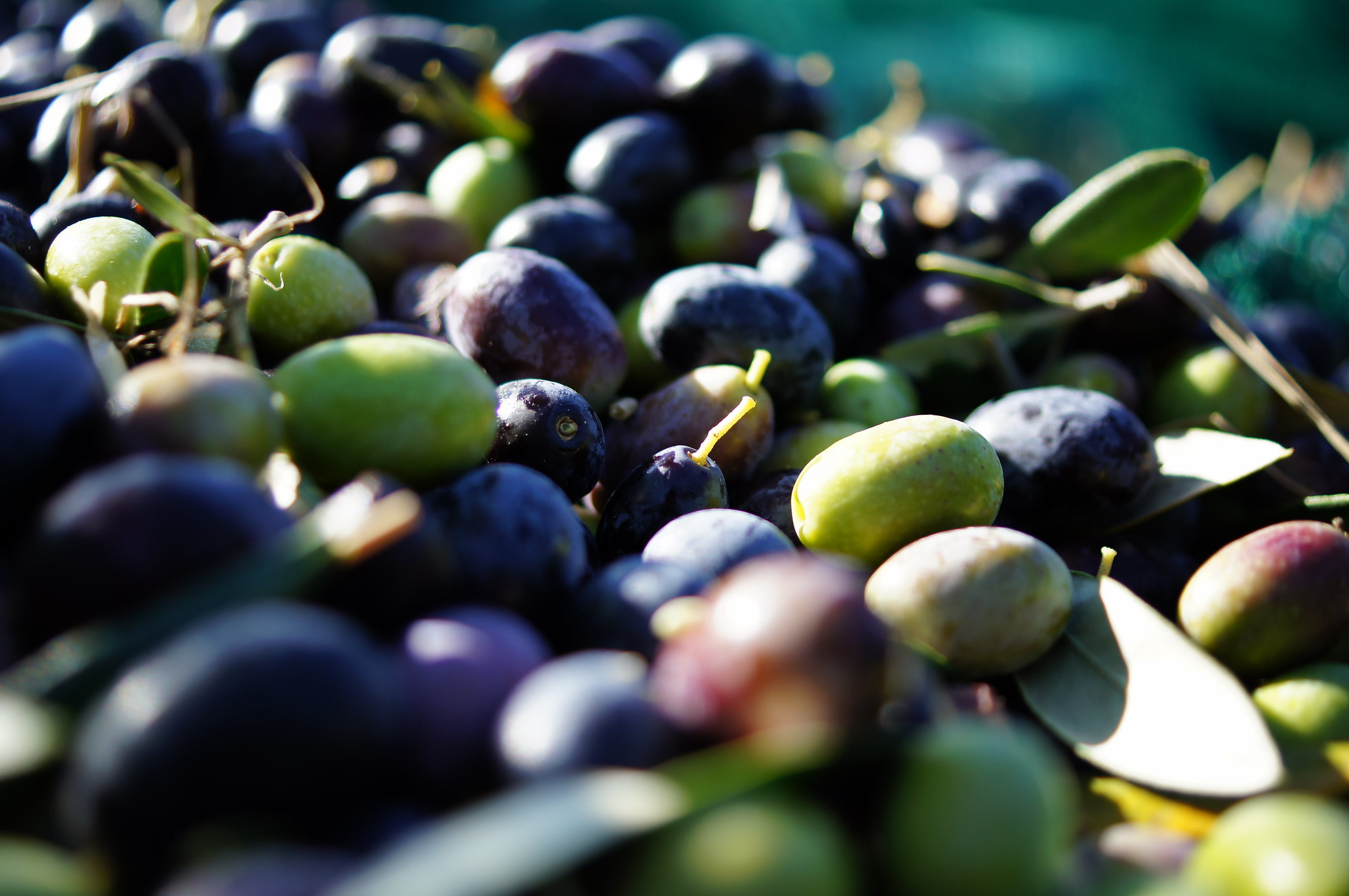
With the pyrolysis of olive stones, it is possible to obtain a biofuel capable of heating homes, flying planes and – at the same time – reducing carbon emissions by up to 80% compared to traditional kerosene. Thanks to their high energy content and low degree of humidity, the olive pit is an optimal raw material for combustion and produces quantities of CO2 that can be reabsorbed during the growth of the olive and olive trees, creating a practically carbon neutral cycle.
Precisely for this reason, it represents a particularly interesting alternative for the aviation sector, which is largely responsible for global carbon emissions. Through pyrolysis and other chemical processes, olive pits can in fact be transformed into a fuel that complies with strict aviation regulations, both in terms of performance and safety. Compared to other first-generation biofuels, such as biodiesel from soybean or corn crops, the product from the olive pit has the advantage of not competing with food production.
At Sol2Expo – Full Olive Experience (Veronafiere, 2-4 March 2025) all the potential of the olive from the raw material to the by-products, with a 360° vertical tasting with the lowest common denominator “innovation”.
*AI-generated translation