
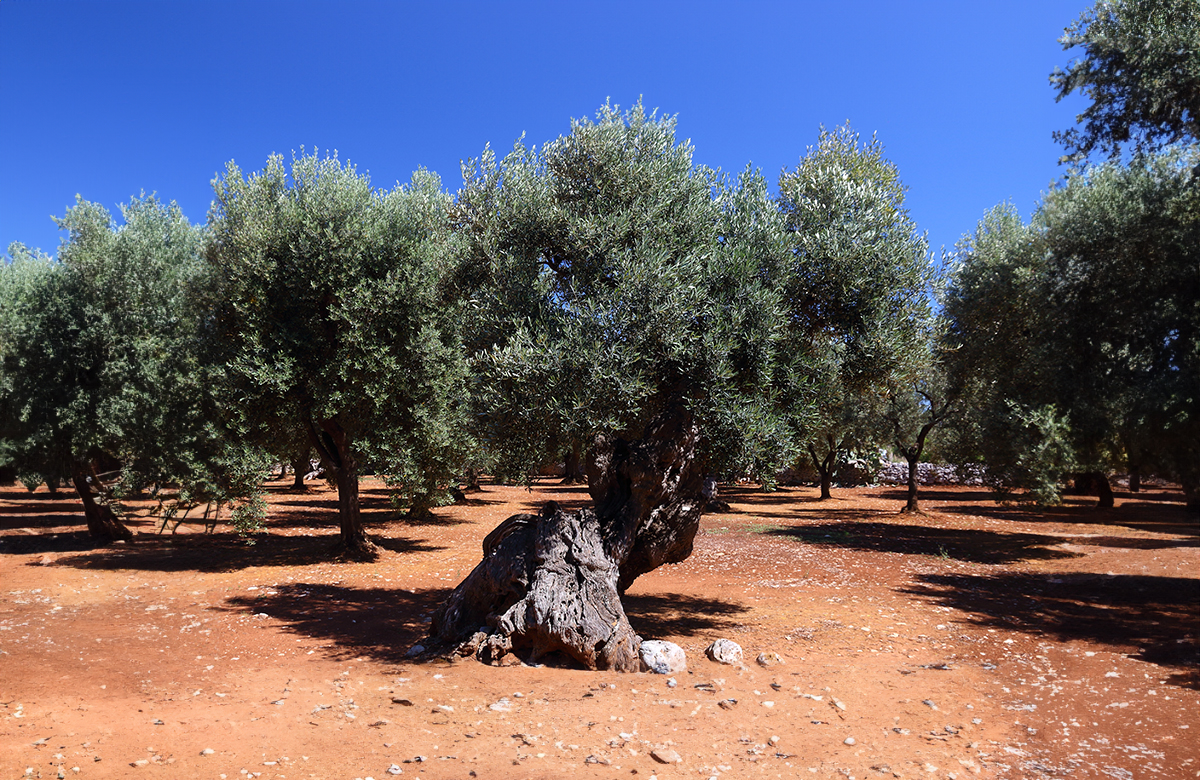
With 619 thousand farms and 4327 active oil mills (Ismea data), Italian olive growing covers 1.14 million hectares, almost a quarter of which (272 thousand) are under organic cultivation, concentrated in 7 out of 10 cases in Puglia, Calabria and Sicily. About 15 percent of the area is devoted to the production of PDO (42) and PGI (8) oils, which engage 22,218 producers and more than 2,000 mills (Ismea data).
The last decade has seen the number of olive farms decline by 31 percent, with the largest declines in Liguria (-44 percent) and Campania (-38 percent) while growing, in contrast, in Piedmont, Valle d’Aosta, Lombardy, Trentino, Friuli-Venezia Giulia and Emilia-Romagna, reflecting olive growing being pushed further and further north by climate change. By contrast, the olive-growing area remains essentially stable (+1 percent) over the decade, a sign that the average area per farm has grown (source Censuses of Agriculture 2010 and 2020). On the consumption front, it is estimated that Italians consume 8.3 kg of olive oil per year per capita.
It is precisely to consumers and enthusiasts that the first day of Sol2Expo, Sunday, March 2, is dedicated, with a tasty program of cooking shows, workshops and tastings with pairing, plus the possibility of direct purchase at the fair.