
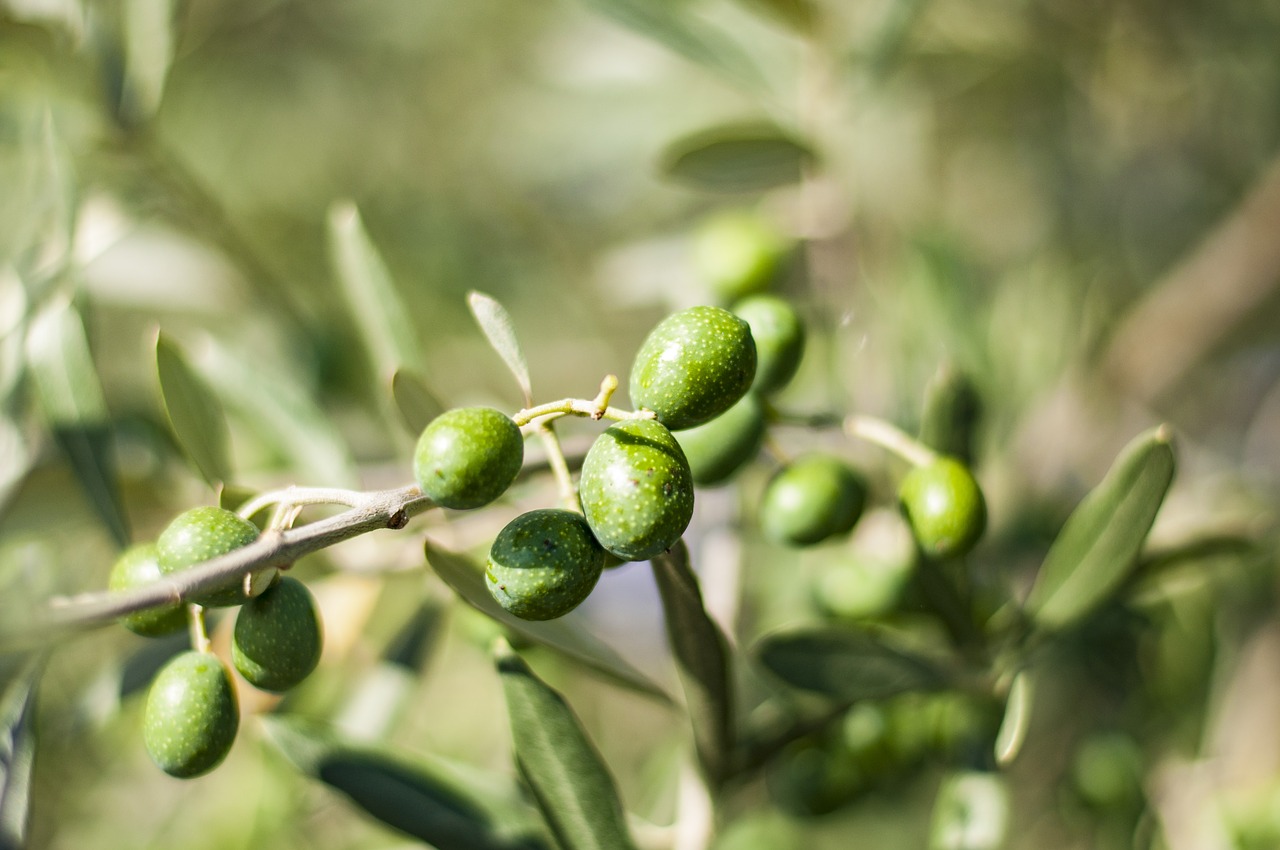
Spain, Italy and Tunisia compete for the primacy of the largest organically cultivated olive growing area. According to data from the Spanish Ministry of Agriculture, Spain occupies the first step of the podium with just under 293 thousand hectares (2023 figure), up almost 12% on the previous year.
Silver medal for Italy, which in 2023 had 279 thousand hectares of organic olive groves, 2.2% more than in 2022 (Ismea data) but up 65% compared to ten years ago. Leading the way is Puglia, at the top of the Italian regional ranking with 86 thousand hectares, equal to 32% of the organic olive growing area of Italy.
Slightly behind is Tunisia which, according to official data from its Ministry of Agriculture, records 250,408 hectares of certified organic cultivation, equal to 20% of the national olive growing area. An important share, if you think that organic olive oil is responsible for 74% of total Tunisian organic exports.
A promising scenario, that of the three key players for world production, which reflects the growing attention by consumers for increasingly sustainable and health-conscious products.
Sol2Expo, from 2 to 4 March 2025 at Veronafiere, offers a unique opportunity for discussion not only on the quality of olives, organic olive oil, but also on the technologies related to its cultivation. The organic olive sector, in fact, represents an expanding market niche that is well represented in the ‘Sol2Expo Innovation’ hall, one of the three areas of the event, entirely dedicated to production, processing and packaging technologies.
*AI-generated translation